Mastering Letter of Credit (LC) and UCP 600: A Complete Guide for Trade Professionals
In today’s complex world of international trade, ensuring secure and reliable payment methods is not just important—it’s essential. Letters of Credit (LC) serve as one of the most trusted financial instruments, providing assurance to both exporters and importers. Backed by UCP 600 (Uniform Customs and Practice for Documentary Credits), LCs function under globally accepted rules established by the International Chamber of Commerce (ICC). Whether you’re a trade finance professional, an exporter/importer, a banker, or a student preparing for global trade certifications, mastering the concepts of LC and UCP 600 is crucial to ensuring smooth cross-border transactions. What is a Letter of Credit? A Letter of Credit (LC) is a financial document issued by a bank, guaranteeing that a seller will receive payment from the buyer, provided the terms and conditions specified in the LC are fulfilled and documented. Key Players in an LC Transaction: What is UCP 600? UCP 600 (Uniform Customs and Practice for Documentary Credits) is a set of standardized rules published by the ICC (Publication No. 600). It governs the use of letters of credit worldwide. Key Features of UCP 600: Why Understanding LC and UCP 600 is Critical ✅ Minimize Payment Risk: Ensures seller receives payment if compliant documents are submitted✅ Build Trust in Trade Relationships: Backed by global legal standards✅ Avoid Discrepancies and Rejections: Knowing UCP 600 rules helps avoid common document errors✅ Gain Competitive Edge: Professionals with in-depth LC knowledge are highly valued in banking, logistics, and export-import roles Master the LC Process Step-by-Step Each stage involves crucial documentation and compliance—get one step wrong, and you risk delayed payments or rejection. Common Types of LCs Explained Common Mistakes to Avoid 🚫 Misspelling names or addresses🚫 Presenting documents late🚫 Inconsistencies between invoice and LC terms🚫 Submitting expired documents Learn from Experts: Enroll in Our Practical Course on LC & UCP 600 If you’re looking to master Letters of Credit and UCP 600 from scratch to expert level, we’ve created a comprehensive, easy-to-follow course with real-world case studies, document templates, and exam-focused insights. 👉 Enroll in the Full Course Here – Mastering Letter of Credit (LC) & UCP 600 Whether you’re preparing for a trade finance job, upgrading your skills, or dealing with LCs regularly, this course is tailored for you! What You’ll Learn in the Course: ✅ Complete overview of LC process✅ Deep dive into UCP 600 Articles with practical examples✅ Common discrepancies and how to avoid them✅ Hands-on documentation workshop✅ Real case studies from global trade transactions✅ Quiz-based learning and final certification Who Should Take This Course? Understanding and mastering Letters of Credit and UCP 600 is not just about rules and paperwork—it’s about safeguarding your payments, building credibility, and enabling smooth international trade. Equip yourself with the right knowledge and tools to handle LCs with confidence. 👉 Click here to start learning with our expert-designed course now
English Grammar Guide from A1 to C2 (CEFR Levels)
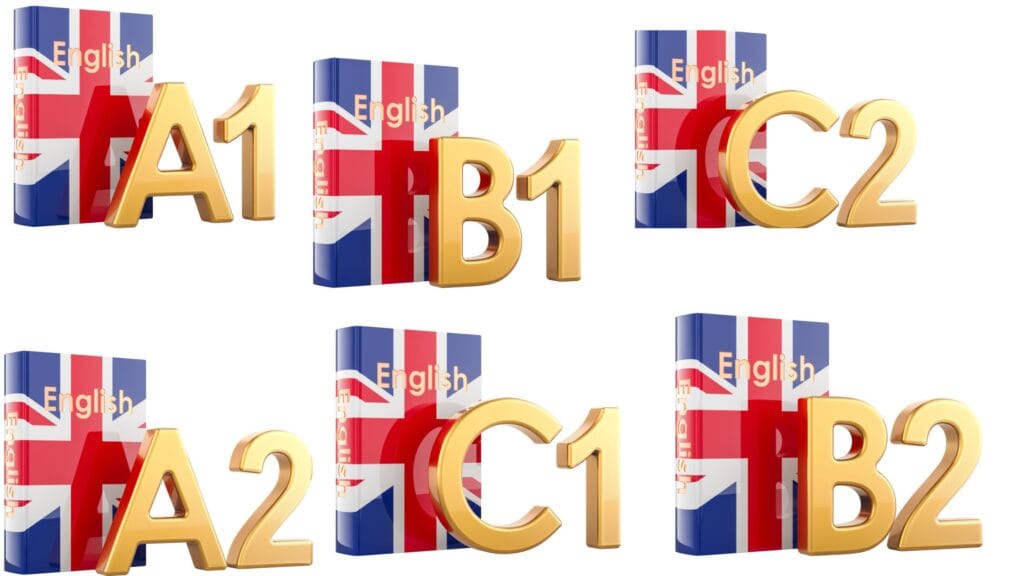
Understanding grammar is key to mastering any language — and English is no exception. Whether you’re just starting out or refining your advanced fluency, this guide offers a comprehensive breakdown of English grammar across CEFR levels (A1–C2). Let’s explore what grammar topics you should focus on at each stage of your learning journey. 📘 What is CEFR? The Common European Framework of Reference for Languages (CEFR) is a globally recognized standard that describes language ability on a scale from A1 (beginner) to C2 (mastery). It’s used by teachers, learners, employers, and exam boards to measure language proficiency. A1 Grammar (Beginner) At this level, learners can form simple sentences and express basic needs and personal information. Key Grammar Topics: A2 Grammar (Elementary) At this stage, learners begin to describe events, talk about routines, and ask for information. Key Grammar Topics: B1 Grammar (Intermediate) Learners at this level can express opinions, describe future plans, and talk about past experiences. Key Grammar Topics: B2 Grammar (Upper-Intermediate) Learners become more fluent and flexible in their speech and writing with a growing command over complex grammar. Key Grammar Topics: C1 Grammar (Advanced) Learners can use grammar with accuracy, even in academic or professional settings. Tone and register become more important. Key Grammar Topics: C2 Grammar (Proficiency) At this mastery level, grammar use is natural, precise, and sophisticated, even in nuanced discussions and academic writing. Key Grammar Topics: 🎯 Practice Makes Perfect! 📝 Ready to test your grammar knowledge?👉 Take our FREE English Grammar Practice Test here 📝 Final Words Grammar learning is a layered journey. Start with simple sentence patterns at A1 and work your way up to mastering the art of nuanced expression at C2. Bookmark this guide and come back whenever you need a quick grammar refresh at your level.
MongoDB – C100DBA Certified Database Administrator Associate: A Comprehensive GuideMongoDB C100DBA Certified Database Administrator Associate: Career Insights and Salary Trends
In today’s rapidly evolving tech landscape, the demand for skilled database administrators is on the rise, particularly for NoSQL databases like MongoDB. With its high scalability, flexibility, and ability to handle large volumes of data, MongoDB is widely adopted across industries, from e-commerce to healthcare. For those looking to validate their expertise and secure a competitive edge in this field, the MongoDB C100DBA Certified Database Administrator Associate certification is an excellent pathway. In this blog, we’ll explore the MongoDB C100DBA certification, its significance, how to prepare for it, and discuss salary and job market trends that highlight the growing demand for MongoDB-certified professionals. What is the MongoDB C100DBA Certification? The C100DBA Certified Database Administrator Associate certification is designed to validate a professional’s ability to manage, maintain, and administer MongoDB databases. As one of the most recognized certifications in the NoSQL space, it equips database administrators with the skills required to perform essential DBA tasks, including database design, monitoring, security, backup, and performance optimization. Earning the C100DBA certification demonstrates your ability to handle complex MongoDB database systems, ensuring you stand out in the job market as a skilled MongoDB administrator. Why Pursue the C100DBA Certification? Key Skills Tested in the C100DBA Exam The MongoDB C100DBA certification exam assesses your knowledge and practical skills across various topics essential for database administrators working with MongoDB. The core areas include: How to Prepare for the C100DBA Exam Preparation for the C100DBA exam involves both theoretical learning and practical experience. Here are some strategies to guide your preparation: Salary Insights and Job Market Trends for MongoDB DBAs Salary Overview The salary for MongoDB Certified Database Administrators can vary based on factors such as experience, location, and industry. Here’s an overview of the typical salary ranges for MongoDB DBAs: Factors Affecting MongoDB DBA Salaries: Job Market Outlook The demand for MongoDB DBAs is robust, with many industries embracing MongoDB as their go-to database solution for scalable applications. Key industries driving this demand include: Remote Work Opportunities: The rise of remote work has expanded job opportunities for MongoDB DBAs, allowing companies to hire top talent from anywhere in the world. Conclusion The MongoDB C100DBA certification is an invaluable credential for those looking to establish or advance their careers as MongoDB database administrators. Not only does it enhance your technical skills, but it also improves your marketability in an ever-growing job market. With competitive salaries, diverse career opportunities, and an increasing demand for MongoDB expertise across industries, pursuing this certification is a strategic investment in your professional future.
Mastering AZ-140: Microsoft Azure Virtual Desktop Specialty – A Comprehensive Guide
In the evolving world of cloud computing and hybrid work environments, Azure Virtual Desktop (AVD) has emerged as a powerful solution for secure, scalable, and remote desktop access. If you’re an IT professional aiming to validate your expertise in deploying, managing, and securing virtual desktop infrastructures on Azure, the Microsoft Certified: Azure Virtual Desktop Specialty (Exam AZ-140) is your ideal certification. This blog delves into what AZ-140 entails, why it matters, who should pursue it, and how you can effectively prepare for and pass the exam. What Is AZ-140? AZ-140 is a role-based certification exam designed by Microsoft for IT professionals who want to demonstrate their expertise in planning, delivering, and managing virtual desktop experiences and remote apps on Microsoft Azure. Certification Title: Microsoft Certified: Azure Virtual Desktop SpecialtyExam Code: AZ-140Level: Specialty (Advanced) Who Should Take AZ-140? This certification is tailored for: Prerequisite (Recommended): Candidates should have experience with Azure administration (AZ-104), though it’s not mandatory. Skills Measured in AZ-140 The AZ-140 exam focuses on six core domains: Preparation Tips for AZ-140 1. Microsoft Learn Start with Microsoft’s official learning paths tailored to AZ-140. These include free, interactive modules. 2. Hands-On Labs Practice on Azure by setting up: 3. Online Courses Platforms like Udemy, Pluralsight, or LinkedIn Learning offer structured AZ-140 courses with practical demos. 4. Practice Tests Attempt full-length mock exams to evaluate your readiness and identify weak areas. For Practice Click Here 5. Documentation Review Microsoft’s official documentation on AVD components, FSLogix, and best practices. Real-World Benefits of AZ-140 ✅ Career Growth: Gain recognition as a virtual desktop infrastructure (VDI) expert✅ High Demand: AVD is essential in remote and hybrid workplaces✅ Cloud Proficiency: Boosts your credibility in cloud computing and Azure ecosystems✅ Future-Ready Skills: Aligns with the industry’s shift toward cloud-based desktop delivery Exam Details at a Glance Detail Information Exam Code AZ-140 Exam Duration 120 minutes Number of Questions 40–60 (varies) Passing Score 700 / 1000 Cost USD $165 (may vary by location) Format Multiple-choice, case studies Language English, Japanese, Chinese, etc. Final Thoughts The AZ-140 certification is a strategic move for professionals who manage and optimize Azure-based virtual desktops. With remote work now the norm and secure application delivery more important than ever, mastering Azure Virtual Desktop technologies sets you apart in the job market. Whether you’re an IT admin looking to upskill or a consultant designing enterprise solutions, AZ-140 validates your ability to build scalable, secure, and user-friendly desktop experiences in the cloud. Resources to Get Started
MB-300: Microsoft Dynamics 365 – Core Finance and Operations – Your Gateway to ERP Mastery
In the ever-evolving landscape of enterprise resource planning (ERP), Microsoft Dynamics 365 stands tall as a powerful suite that combines CRM and ERP capabilities. If you’re a finance, operations, or IT professional looking to master the core capabilities of Dynamics 365, the MB-300 certification is your essential starting point. In this blog, we’ll break down what MB-300 is, who it’s for, what you’ll learn, and how to prepare effectively for success. What Is MB-300? MB-300: Microsoft Dynamics 365 – Core Finance and Operations is a certification exam designed by Microsoft to validate your foundational knowledge of the core functionalities within Dynamics 365 Finance and Operations apps. It is a prerequisite exam for various role-based certifications such as: Who Should Take MB-300? This certification is ideal for: Key Skills Measured The MB-300 exam focuses on five core areas: 1. Use Common Functionality and Implementation Tools (20–25%) 2. Configure Security, Processes, and Options (30–35%) 3. Perform Data Migration (10–15%) 4. Validate and Support the Solution (20–25%) 5. Manage Finance and Operations Apps (10–15%) Exam Details Feature Details Exam Code MB-300 Duration ~150 minutes Questions 40–60 (scenario-based, MCQs, drag-and-drop) Passing Score 700 / 1000 Cost $165 USD (may vary by location) Prerequisites None officially, but functional knowledge helps Languages Available English, Japanese, German, French, and more 📚 How to Prepare for MB-300 1. Understand the Exam Guide Download the official exam skills outline from Microsoft Learn. It offers a clear roadmap of what’s tested. 2. Use Microsoft Learn Modules (FREE) Microsoft offers free, in-depth learning paths: 3. Hands-On Practice Use Dynamics 365 Finance and Operations trial environments to practice: 4. Enroll in Instructor-Led or Online Courses Platforms like: offer detailed courses with labs and simulations. 🔹 5. Attempt Practice Tests Use simulated exams to gauge your knowledge. Look for updated 2024-aligned MB-300 mock exams. Latest MB 300 Practice Test Career Benefits of MB-300 Certification ✅ Recognition as a certified Dynamics 365 professional✅ Opens doors to roles like ERP Functional Consultant, Business Analyst, Systems Administrator✅ Higher chances of promotion and better salary prospects✅ Ideal foundation to pursue MB-310 (Finance) or MB-330 (Supply Chain) certifications✅ Valuable for businesses moving to Microsoft cloud-based ERP The MB-300 is not just a certification—it’s a gateway into the heart of Microsoft’s enterprise ERP ecosystem. Whether you’re transitioning into the world of Microsoft Dynamics 365 or enhancing your professional ERP toolkit, this exam will empower you to configure, manage, and support robust, real-world business solutions. Start small, practice consistently, and stay hands-on. Your journey to becoming a certified Microsoft Dynamics 365 expert starts here. Latest MB 300 Practice Test